

The Basilica Cistern, also called Yerebatan Sarnıcı, is an underground historic site in Sultanahmet, Istanbul. Built to supply water to Constantinople, it is known for its 336 marble columns and two Medusa heads; allow about an hour to visit.
- Location: Alemdar, Yerebatan Cd. 1/3, Fatih, Istanbul.
- Setting: Beneath the streets of Sultanahmet.
- Visit length: About one hour.
- Opening hours: Open daily
Where is the Basilica Cistern?
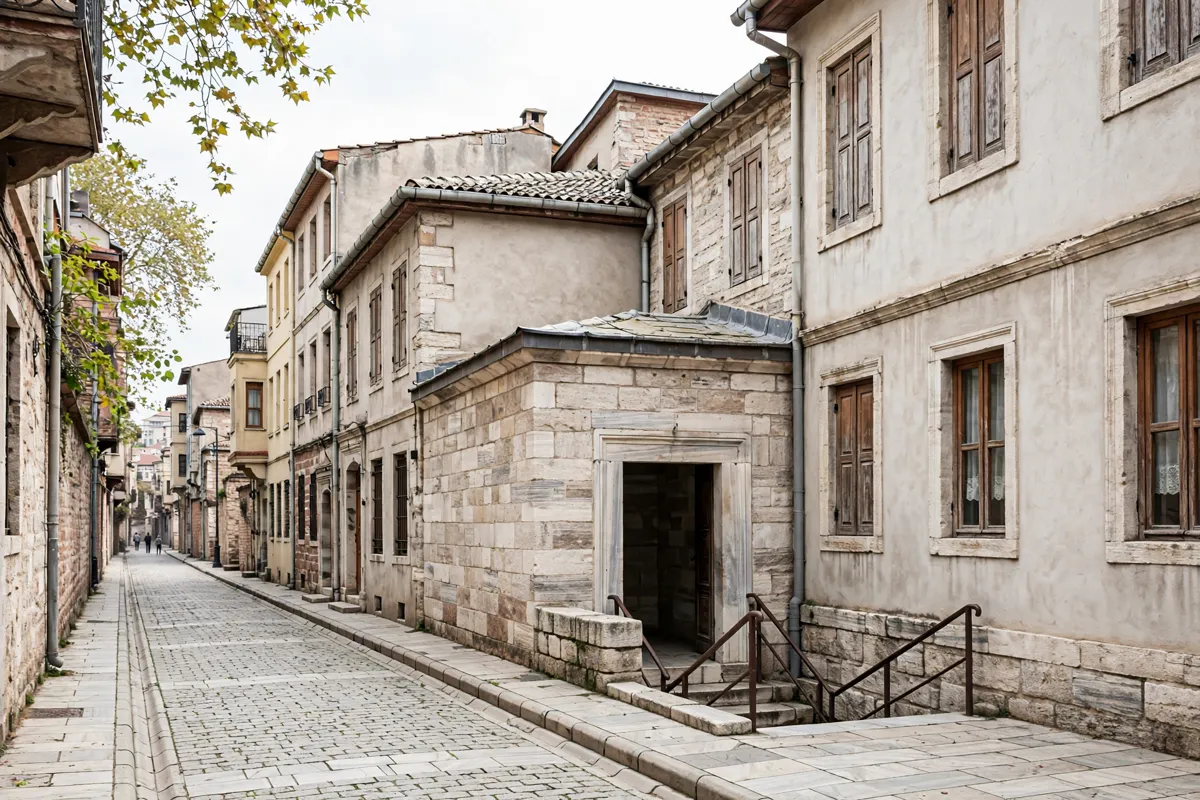
The Basilica Cistern is in Sultanahmet, beneath the surrounding streets and close to Hagia Sophia. Its address is Alemdar, Yerebatan Cd. 1/3, Fatih, Istanbul. It sits directly under the district’s streets, so the entrance is part of the busy historic-peninsula setting rather than a separate open-air landmark.
If you are planning the wider area on foot, the cistern fits naturally into a one-day Sultanahmet walking route. The Aprilis Gold Hotel is about a 7-minute walk from Sultanahmet station; the station is a useful reference for reaching this part of the district.
Tickets, opening times and visit planning
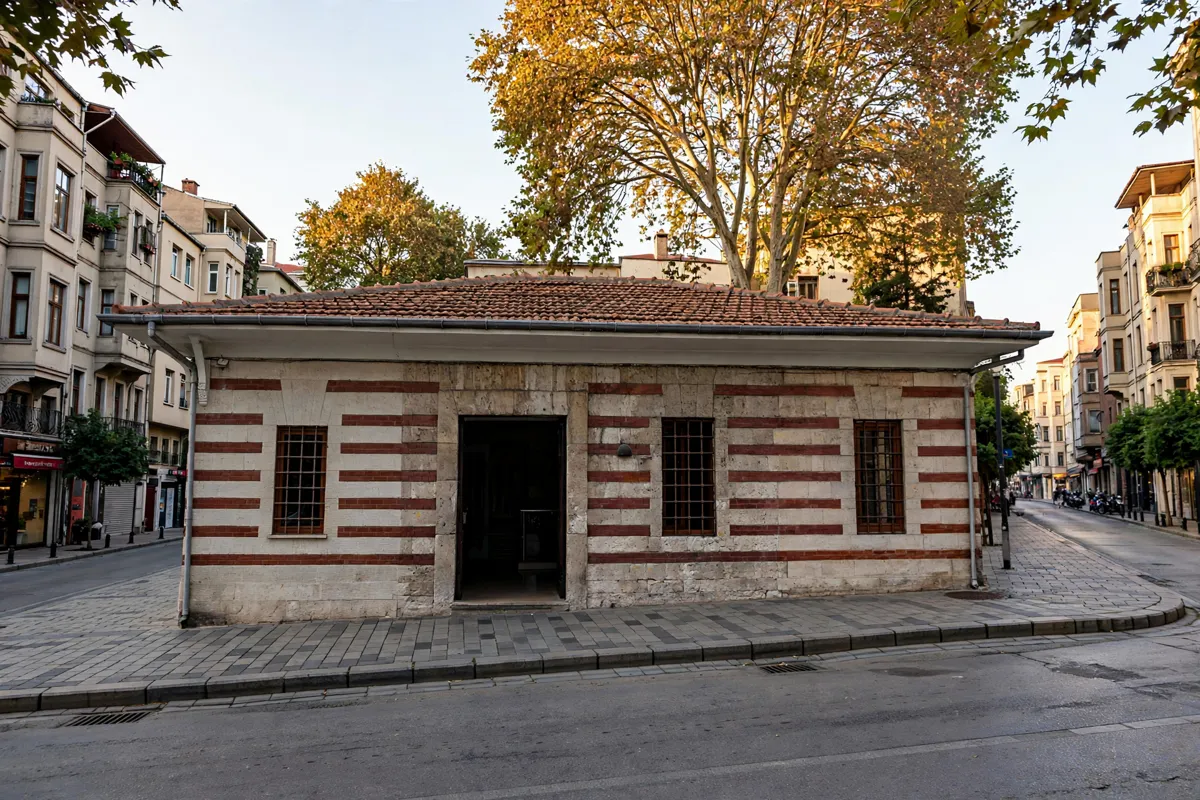
Plan for around an hour inside, but confirm the opening schedule and ticket arrangements before setting out. Daily hours are published as 09:00–18:30 or 09:00–22:00, with last entry around 18:00 on the shorter schedule. Check the official site before you go.
Opening hours
- Monday to Sunday: 9:00–18:30 and 19:30–22:00
Last checked November 2026. Hours can change on holidays and for special events.
Check the cistern’s official site for current admission details before you visit. All visitors pass through a security check. Large bags and luggage are not permitted, and professional photography equipment requires prior authorisation.
Personal photography is permitted, but tripods, professional lighting and drones require prior written consent. Keep your plans simple: arrive with a small bag and leave time for the security check as well as the visit itself.
What can you see inside the cistern?
The cistern’s defining feature is its 336 marble columns, many reused from older Roman temples. They rise from the water and support the underground structure built in 532 under Emperor Justinian I to supply water to Constantinople.
At the back of the cistern, look for the two Medusa heads used as column bases. Their placement among the columns is a distinctive detail of the site. The underground setting, with its rows of supports and water, is the main reason to allow time to move through the space rather than treating it as a quick stop.
Accessibility and practical visitor considerations
If you need step-free access or mobility assistance, confirm the current route with visitor services before booking. Access arrangements can change, so this is worth checking ahead rather than assuming the route will suit your needs.
Food and drink are not allowed inside, and visitors should not touch the historic structures. Registered guide dogs are excepted from the no-pets rule. For photography, personal use is permitted, while equipment such as tripods and professional lighting needs prior written consent.
What can you combine with a Basilica Cistern visit?
Hagia Sophia is just steps from the cistern, making it a natural addition to the same outing. Its long history and visitor arrangements deserve their own planning, so you can pair the sites without treating them as a single stop. A Hagia Sophia visitor guide can help you plan that part of your day.
The cistern is also in Sultanahmet, where historic streets and nearby sights can form a wider walking day. If you are combining several stops, allow about an hour for the cistern itself and check each site’s current visitor information separately.
FAQs
How long should you allow for the Basilica Cistern?
The visit-planning guidance estimates about one hour. Allow additional time for the security check before entering.
Are the Basilica Cistern’s opening hours consistent across listings?
Open daily. No. Published schedules give different closing times, so check the official site before you go.
Can you take photographs inside the Basilica Cistern?
Personal photography is permitted. Tripods, professional lighting and drones require prior written consent.
Can visitors with mobility needs access the cistern?
Visitors who need step-free access or mobility assistance should confirm the current route with visitor services before booking.